

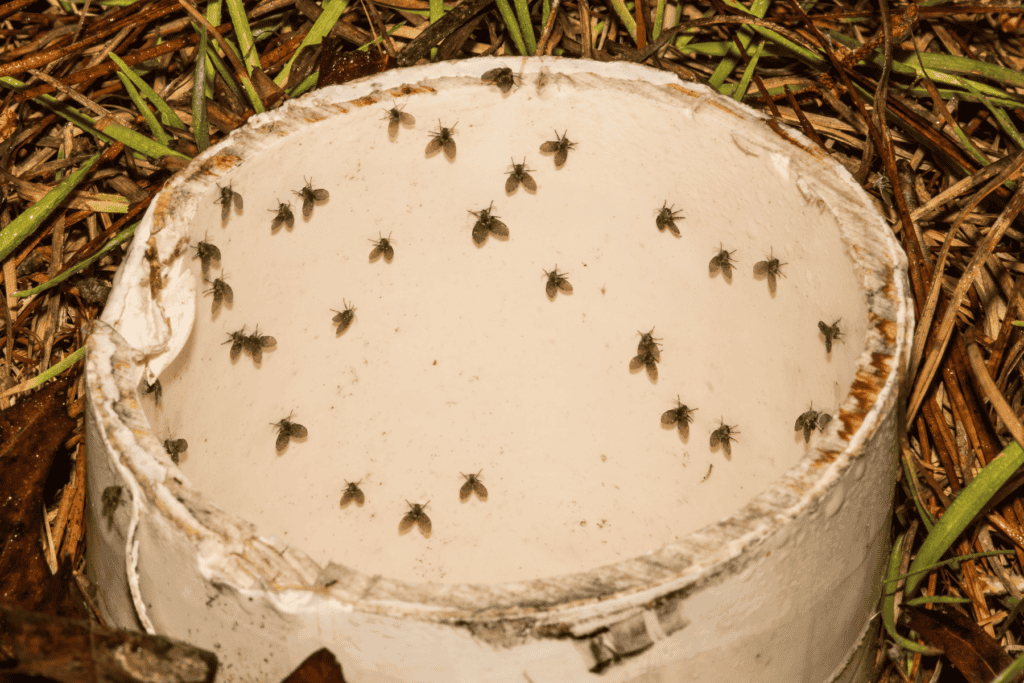
Homeowners who discover tiny, moth-like insects resting near bathroom sinks or hovering above floor drains are often puzzled by where they came from. These insects, commonly called drain flies, thrive inside damp plumbing environments rather than entering your living areas through open windows. Because they stay close to plumbing fixtures, their sudden appearance can be immediately frustrating. Understanding the environmental factors that encourage their development helps clarify why ordinary pest sprays do little to keep them away.
Sila explains how these insects reproduce, where they establish breeding grounds, and why simple surface cleaning doesn’t address the root cause. You will learn practical cleaning routines to protect your pipes, along with key indicators that a recurring problem requires licensed plumbing support.
What Are Drain Flies and Where Do They Breed?
Understanding what drain flies are begins with examining the dark, moist plumbing environments where they live. These small, fuzzy insects are also commonly called moth flies or sewer flies. They do not bite and are generally considered nuisance pests. Instead, they depend on moist organic material and biofilm that can build up inside drains over time. Recognizing their physical characteristics and preferred habitats helps you confirm if your fixtures house an active colony.
How Drain Fly Larvae Develop in Pipe Biofilm
The interior walls of residential drain lines naturally collect hair, soap scum, skin oils, and grease over time. This mixture produces a thick, gelatinous biofilm that coats the pipe just past the drain opening. Female flies deposit their eggs directly into this moist coating. When the eggs hatch, drain fly larvae feed on the decaying matter protected within the film. Because the larvae remain sheltered under this slime layer, regular water flow from daily sink use fails to dislodge them. Once they complete their growth cycle, adult insects crawl upward through the grate and rest on nearby tiles.
Distinguishing Drain Pests from Fruit Flies and Fungus Gnats
Many people assume that every small gnat near a water fixture belongs to the same species. In reality, fruit flies gravitate toward overripe fruit, open beverage cans, or kitchen trash bins rather than drain openings. Fungus gnats generally originate in the damp soil of potted houseplants and fly toward light sources. Drain pests have broader, fuzzy wings covered in fine hairs, giving them a moth-like appearance. They fly weakly, often hopping short distances across porcelain or bathroom mirrors instead of navigating open air smoothly.
Why Swatting Adult Insects Leaves the Infestation Active
Seeing adult insects resting on tiles prompts many homeowners to reach for fly swatters, aerosol bug sprays, or vinegar traps. While removing visible adults reduces immediate annoyance, it does nothing to halt the ongoing reproductive cycle beneath the drain grate. As long as organic buildup remains, new adult flies can keep emerging from the breeding site.
The Hidden Colony Beneath the Drain Grate
Adult insects represent only a tiny fraction of a drain fly infestation. Eggs, larvae, and pupae can remain hidden within the moist organic material lining a drain, even when only a few adult flies are visible nearby. Insect sprays cannot penetrate the dense sludge lining your pipes, meaning newly matured adults will simply replace the ones you eliminate. Breaking the reproductive chain requires removing the organic buildup entirely, not just targeting flying insects in the room.
Common Areas Where Moisture and Organic Sludge Collect
Plumbing fixtures with low water movement or heavy soap buildup present ideal conditions for pest activity. Drain flies in bathroom fixtures often gather around shower drains, sink overflows, or seldom-used bathtubs where moisture and organic buildup linger. In the kitchen, disposal baffles and uncleaned trap assemblies provide plenty of food from food particles. Basement floor drains with drying traps can also harbor breeding colonies while allowing sewer vapors to enter living spaces.
Safe Drain Maintenance and Remediation Steps
Homeowners searching for how to get rid of drain flies often see advice recommending harsh chemicals, but physically removing organic material delivers far better results. Effective drain fly control focuses on removing the organic material where larvae develop. Mechanical cleaning with a stiff brush can help remove slime and buildup from accessible drain surfaces, while simply pouring bleach or vinegar into the drain may not reach larvae protected within thicker organic material.
Performing targeted maintenance in affected rooms disrupts insect development without compromising your piping material:
- Cleaning the underside of drain stoppers and garbage disposal splash guards where grease collects.
- Scrubbing the upper pipe walls with a stiff nylon drain brush to loosen biological film.
- Flushing loosened debris from the drain after scrubbing away accessible buildup.
- Running water through seldom-used drains periodically to help maintain the trap seal.
- Wiping away standing moisture and grime around fixture bases, tile grout, and overflow channels.
Avoid mixing different cleaning agents, as combining products like bleach and ammonia produces hazardous gases that threaten household safety. Relying on gentle mechanical cleaning and consistent trap replenishment prevents organic material from becoming an established nursery. If standard scrubbing doesn’t deter persistent drain gnats, the underlying buildup is likely deeper in the plumbing system than a homeowner can safely reach.
When Recurring Pests Point to an Underlying Plumbing Issue
When insect activity persists despite thorough surface scrubbing, a deeper drainage restriction or hidden pipe leak may be present. Cracked waste lines beneath concrete slabs or behind walls create damp cavities where organic debris accumulates out of sight. In other cases, extensive grease and mineral buildup deep within lateral pipes requires specialized intervention. Homeowners in Washington, DC, can rely on thorough line clearing to restore proper flow. A qualified technician can evaluate sluggish lines, inspect venting systems, and perform necessary drain repair without damaging home finishes.
Protecting Your Home Against Recurring Drain Pests
Small plumbing pests don’t mean a household is unsanitary, nor do they automatically prove a sewer line is collapsed. Most cases stem from routine biological buildup inside everyday waste lines that feeds developing insect larvae. Proactive drain care, refreshing dry water traps, and keeping overflow openings clean will eliminate most nuisance insects. When persistent problems resist basic care, professional line clearing clears stubborn clogs and keeps your fixtures operating smoothly. For residents seeking dependable plumbing services in Virginia, routine inspections help locate hidden blockages and secure long-term pipe performance.
Schedule Professional Plumbing Assistance with Sila
If stubborn insects continue gathering around your sinks or shower drains despite regular cleaning, let our licensed team pinpoint the source. Chronic slow drainage or suspected moisture issues behind bathroom walls warrant a thorough evaluation. An experienced plumber in Washington, DC, can inspect your system and clear stubborn organic buildup. Contact Sila today to schedule prompt service and protect your home plumbing system.