

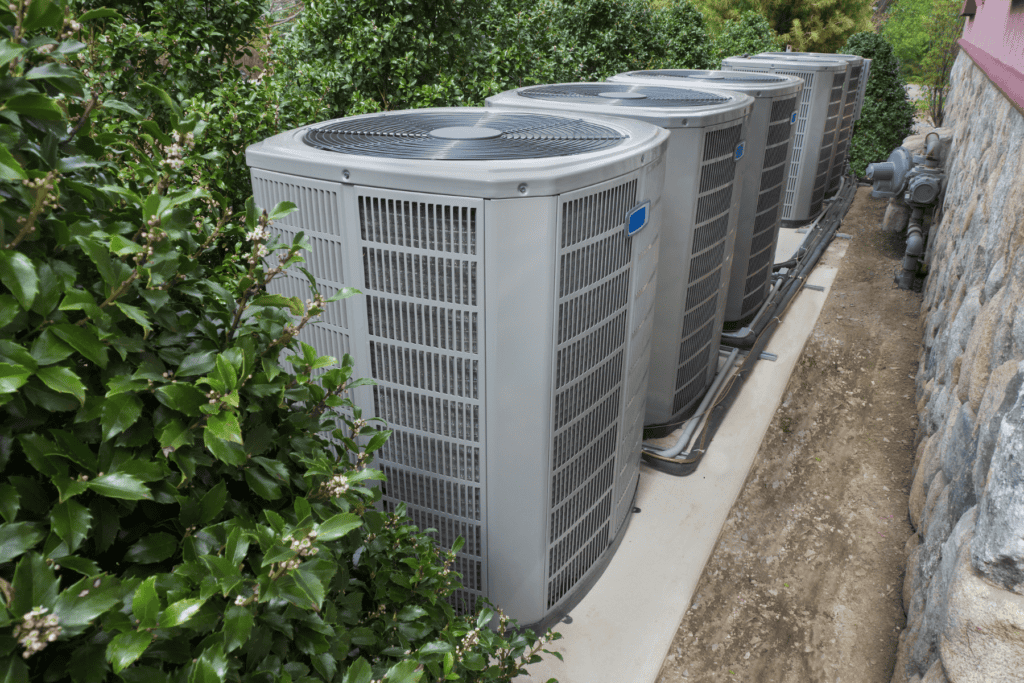
Older and historic homes feature unique architectural details and custom trim. However, adding central cooling to these older properties creates a challenge. Standard metal ductwork requires large wall chases and dropped ceilings. Installing these bulky channels can damage historic plaster walls and original woodwork. Many homeowners looking for HVAC services in Virginia face this issue when upgrading older homes.
A high-velocity air conditioning system offers a modern cooling solution for historic properties. Instead of rigid metal ducts, these systems use flexible mini-duct tubing to move cold air. Technicians thread these narrow tubes through existing wall cavities without major structural changes. This guide explains how high-velocity cooling works and how it protects historic architecture.
What Is High Velocity Air Conditioning?
High-velocity cooling systems are central A/C units built for tight spaces. They use flexible tubing with a 2-inch inside diameter instead of wide metal ducts. The main setup pairs a compact indoor air handler with an outdoor condenser or heat pump. Because the air handler takes up less than 5 square feet, technicians can install it in attics, closets, or basements.
The system uses flexible mini-ducts to transport conditioned air. Technicians thread this narrow tubing through floor joists and stud bays. This process keeps original plaster walls and decorative molding intact. Small 2-inch circular outlets deliver cold air into rooms neatly and quietly.
How Does High Velocity Air Conditioning Work?
Standard A/C systems move high volumes of air at low speeds. In contrast, high-velocity units use a process called aspiration. The air handler pushes cold air through mini-ducts at speeds near 2,000 feet per minute. As air exits the circular vents, it creates a gentle vacuum. This vacuum draws surrounding room air into the cold stream.
This mixing action balances temperatures from floor to ceiling within 1.5 degrees Fahrenheit. The system also pulls up to 30 percent more moisture from the air than standard units. Homeowners who schedule HVAC services in Maryland benefit from this superior humidity control during muggy summers.
Considerations for Older and Historic Properties
Retrofitting an older home with central cooling requires detailed planning. Homes built before 1950 often have solid brick walls, lathe and plaster, and narrow stud bays. Installing a high-velocity air conditioning system requires precise engineering to maintain airflow and preserve historic details.
Homeowners in local historic districts should evaluate key technical factors before installation:
- Air handler space and tubing paths: Technicians need clear attic or basement space for the air handler and pathways for 2-inch tubing.
- Building materials: Thick masonry and interior plaster walls dictate where flexible tubing can pass between floors.
- Load calculations: Older homes lose heat quickly, so Manual J calculations are needed rather than rule-of-thumb estimates.
- Insulation levels: Uninsulated walls increase cooling loads, so air sealing helps lower required equipment size.
- Electrical capacity: Modern A/C equipment usually requires a 200-amp electrical panel in older properties.
- Outlet locations: Small circular vents must sit strategically in ceilings or floors to match existing millwork.
- Sound management: Sound-attenuating duct liners keep operating noise below 30 dBA in living spaces.
Evaluating these details early prevents costly changes during construction. Sila HVAC reviews physical constraints before recommending system layouts. Experienced technicians ensure duct paths protect historic architecture. Homeowners in the DC area can then choose a setup that balances comfort and historical preservation.
Comparing High-Velocity Cooling with Other HVAC Options
Homeowners comparing cooling options for older homes choose between high-velocity air conditioning, standard central A/C, and ductless mini-splits. Each system offers unique benefits for historic layouts.
Standard central A/C uses large metal ductwork to deliver cold air. If a home already has ducts from a forced-air furnace, adding central A/C is simple. However, adding ductwork to an un-ducted home requires dropping ceilings or building soffits. These alterations can destroy original crown molding and alter room proportions.
Ductless mini-split systems avoid ductwork by mounting air handlers directly on interior walls. Mini-splits provide room-by-room temperature control and require only small refrigerant lines. While efficient, some homeowners prefer not to view wall-mounted units in historic rooms.
High-velocity systems deliver whole-home cooling through hidden mini-ducts while preserving room appearance. Vents sit flush against floors or ceilings and blend with historic architecture. Property owners seeking HVAC services in Washington, DC, can consult a technician to find the best cooling strategy for their floor plan.
Finding the Right Cooling System for Your Home
Adding central cooling to a historic home does not require sacrificing plaster walls or original woodwork. Compact air handlers and flexible tubing make high-velocity cooling ideal for properties without space for ductwork. These systems deliver quiet, consistent temperatures across every room without altering your home’s historic character.
Choosing between high-velocity A/C, central air, or mini-splits depends on your home layout and preservation goals. A professional walkthrough by a licensed contractor helps you compare designs and select the right option.
Schedule a Professional HVAC Evaluation with Sila
If you want to add or upgrade cooling in an older home, turn to the team at Sila DC/MD. Our licensed technicians conduct thorough home walkthroughs to identify duct paths and recommend custom cooling solutions. Contact our local team today to discuss your heating and cooling options.