

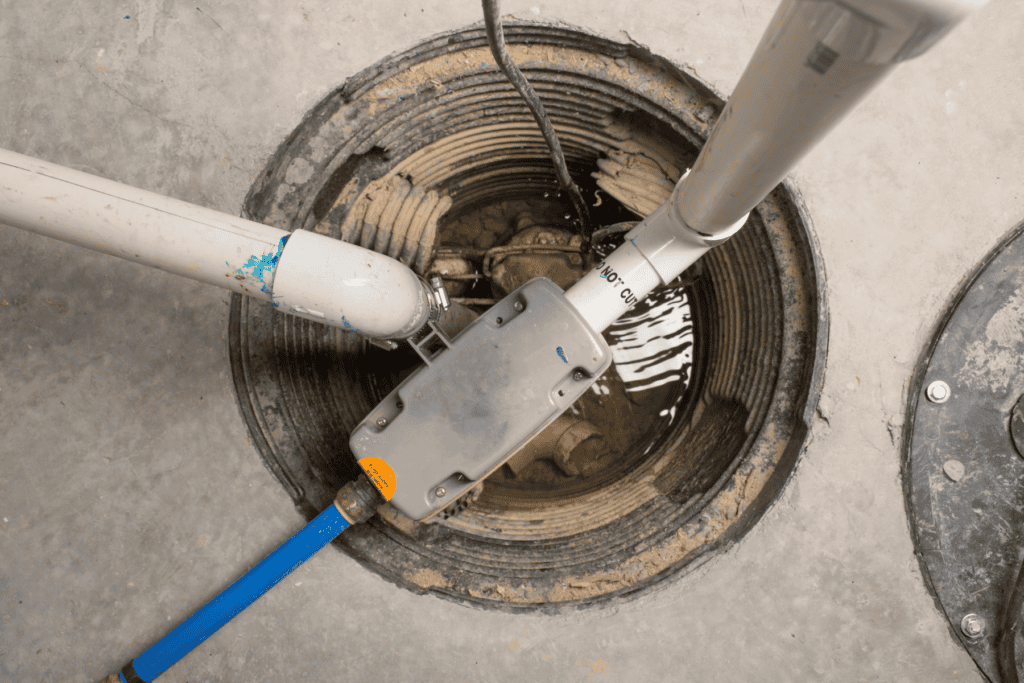
A sump pump protects your basement or crawl space by collecting groundwater. The pump moves that water safely away from your foundation. Inside that drainage setup, a sump pump check valve plays an essential role. This specialized fitting acts as a mechanical one-way gate. Without it, water in the discharge pipe drains right back into the pit when the motor stops. Understanding this valve helps homeowners spot trouble early. A failing valve can cause repeated pump cycles and extra strain on the motor. This guide covers how the valve functions, standard installation locations, and common signs of wear.
How a Sump Pump Check Valve Works and Where It Sits
Discharge pipes lift heavy volumes of water against gravity during storms. A reliable check valve keeps that liquid moving in one direction.
Mechanical Operation and Flow Control
Inside the valve body, a flapper or spring gate responds to water pressure. When groundwater triggers the pump float switch, the motor turns on. Water pushes upward, forcing the flapper open so liquid flows outside. When the basin empties and the motor turns off, upward pressure stops. Gravity pulls the water remaining in the vertical pipe downward. That downward weight snaps the flapper shut against its rubber seat. This tight seal stops water from draining back into your sump basin.
Code Standards and Valve Placement
Plumbing codes set clear rules for pump discharge lines. The International Plumbing Code requires a check valve on sump-pump discharge piping. Under IPC Section 1113.1.4, one- and two-family dwellings require a check valve on the pump discharge line.1 Local requirements can vary, so installation should also follow applicable codes and the pump manufacturer’s instructions.
Major pump manufacturers, including Zoeller, outline exact placement steps for best results. Check valve placement depends on the pump and valve manufacturer’s instructions. Zoeller, for example, recommends placing its check valve just above the basin so the pump remains accessible for cleaning or service. Placing the valve near the basin helps keep it accessible for cleaning, inspection, or service. Some pump manufacturers specify an air-relief or vent hole when installing a check valve. For example, Zoeller recommends a 3/16-inch vent hole in the discharge pipe below the check valve and basin cover for applicable installations. This hole sits below the check valve inside the pit to prevent airlock from stalling the pump.
Why the Sump Pump Check Valve Matters for System Reliability
Basement drainage systems face intense demand during heavy regional rainfall. A properly operating one-way valve protects your pump motor and preserves foundation drainage lines.
Preventing Backflow and Motor Wear
A vertical discharge pipe can retain water after the pump shuts off. When a check valve fails to seal, that entire column of water drops back into the pit. This sudden rush raises the water level and reactivates the pump float switch. As a result, the pump starts short-cycling every few minutes.
Frequent restarts increase unnecessary pump cycling and can contribute to additional wear over time. Repeated backflow can cause the pump to restart more frequently, increasing unnecessary cycling and wear. A properly functioning check valve helps keep discharged water from returning to the basin and reduces this short-cycling.
Comparing Valve Types and Material Trade-Offs
Homeowners can choose between different valve designs and materials, each offering clear trade-offs. Sump pump check valves are available in several designs. Traditional swing-style valves can close abruptly and produce a noticeable thump when water reverses direction, while quieter spring-assisted designs close more gradually. Valve materials and configurations also vary, so the appropriate choice depends on the discharge piping, pump specifications, installation conditions, and manufacturer requirements.
Protecting Discharge Lines and Structural Fittings
Uncontrolled backflow does more than cycle your motor. The sudden reverse momentum causes physical vibrations across the entire discharge run. Over time, this shaking loosens wall brackets, strains rubber couplings, and cracks glued PVC joints. Routine plumbing maintenance and repair help keep pipe brackets tight and joints intact.
Warning Signs of Sump Pump Check Valve Trouble
Check valves handle thousands of open-and-close cycles over years of service. Mechanical wear, dirt accumulation, and age can eventually reduce their efficiency.
Homeowners can monitor several clear symptoms that indicate valve trouble:
- Repeated loud thumping when the pump shuts off, especially if the noise has recently become more noticeable.
- Water audibly splashing back down into the sump basin after each pumping cycle.
- Visible moisture, mineral crust, or drips forming around rubber sleeves and hose clamps.
- Fast pump restart cycles when no new water enters the pit from perimeter drains.
- A humming pump that runs without moving water, which can indicate an airlock, discharge restriction, pump problem, or another issue requiring diagnosis.
These symptoms do not automatically prove the check valve has failed. Pump operation, discharge piping, debris, airlocks, and other system conditions can cause similar problems, so evaluate recurring issues before replacing components.
Managing Check Valve Noise and Water Hammer
Some standard check valves can produce a noticeable clunk when water flow reverses after the pump shuts off. When the pump shuts off, the water column slams the gate against the seat. This force vibrates nearby floor joists and plumbing lines. A spring-assisted quiet check valve is designed to close before significant flow reversal occurs, which can reduce the water-hammer noise associated with some standard check valves.
Handling Leaks and Flapper Obstructions
Leaks around a sump pump check valve may come from worn couplings, loose connections, damaged seals, or a faulty valve. Tightening the metal clamps often stops minor seepage. In other situations, small gravel, silt, or iron bacteria buildup lodges under the flapper gate. Debris holds the gate slightly open, allowing water to trickle backward.
Balancing DIY Inspection and Professional Service
Homeowners can make basic visual and listening checks without modifying the discharge piping. Look for visible moisture around accessible couplings and listen for water returning to the basin immediately after the pump shuts off. Avoid cutting piping, removing valves, or modifying the discharge line unless you are qualified to do the work.
A plumber can inspect the check valve, discharge piping, connections, pump operation, and manufacturer-required venting to determine the source of repeated backflow, leakage, or noise. If needed, the technician can replace the sump pump check valve or install a new valve that matches the pump and piping configuration.
Keeping Your Drainage System in Working Order
A reliable sump pump check valve provides an essential defense against water backflow and motor wear. By stopping discharged water from returning to the basin, this small fitting preserves pump efficiency during severe storms.
Watch for unusual thumps, audible splashing, and damp couplings to catch problems early. Routine visual checks can keep minor mechanical issues from becoming basement moisture problems. For complex piping layouts or recurring clogs, working with a skilled plumber in Washington, DC ensures correct hardware sizing and proper pipe alignment.
Schedule Professional Sump Pump Service in DC
If your sump pump makes loud thumping sounds, cycles constantly, or leaks along the discharge pipe, consider professional inspection. Licensed technicians provide dependable plumbing services, handling full system evaluations, valve replacements, and complete plumbing installation tailored to your home. Contact Sila today to schedule an inspection and keep your basement protected year-round.
Source
- ICC. 2021 International Plumbing Code. https://codes.iccsafe.org/content/IPC2021V3.0/chapter-11-storm-drainage