

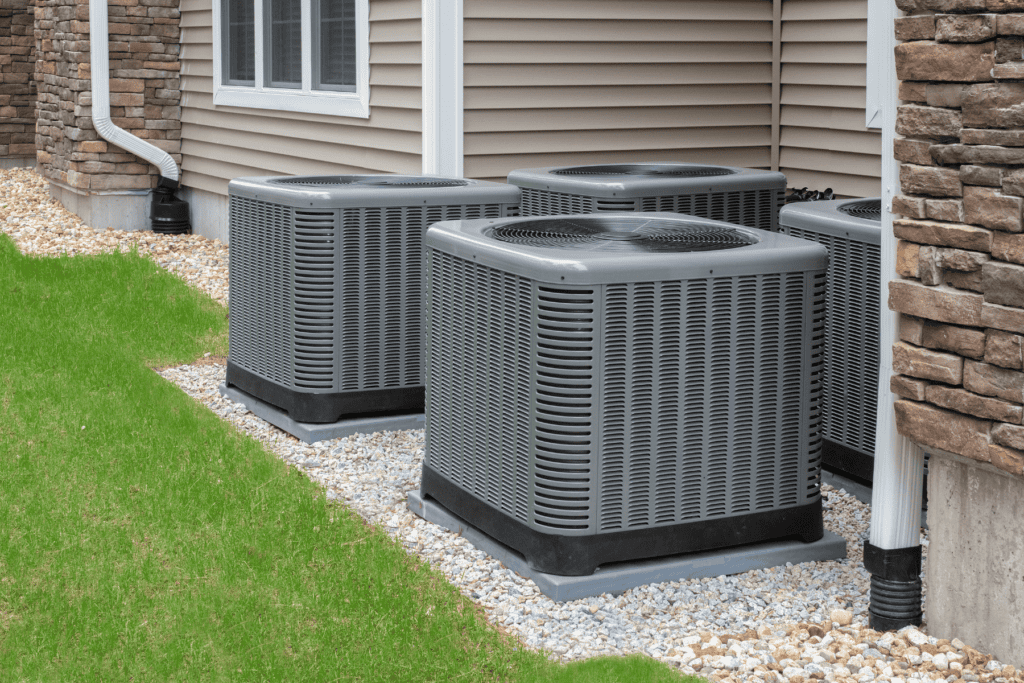
The heat pump compressor is the motor-driven pump in the outdoor unit that pressurizes refrigerant and moves it through the system, allowing a heat pump to pull heat from outdoor air in winter and remove heat from the home in summer. Without this component circulating pressurized refrigerant through copper lines between the outdoor cabinet and the indoor air handler, heat transfer stops completely. For homeowners in Beltsville, MD, who rely on a heat pump in both summer and winter, the compressor works more months of the year than almost any other part of the system. When the component struggles to maintain proper pressure, heating and cooling output quickly drops off.
Understanding how this mechanical pump works helps homeowners spot early performance changes before minor wear leads to an unexpected system shutdown. Many performance problems that look like total equipment failure actually stem from smaller, less complicated parts like relays, run capacitors, or restricted filters. Professional heat pump services pinpoint the exact issue, so you avoid replacing major components that are still functional. Knowing the difference can save you from replacing a compressor when only a smaller repair is needed.
How the Compressor Works and Why It Breaks Down
The compressor is the mechanical heart of a heat pump, forcing refrigerant to change temperature and state through pressure changes. Understanding how this pump operates in different seasons clarifies why internal wear or restricted airflow causes widespread operating problems throughout the home.
The Heart of Heating and Cooling Modes
A heat pump doesn’t create warmth through combustion like a furnace; instead, it moves thermal energy from one environment to another. In cooling mode, the compressor takes low-pressure, warm refrigerant vapor from the indoor coil, compresses it into a high-pressure, hot vapor, and discharges it to the outdoor coil, where outside air absorbs the heat. In winter heating mode, a reversing valve switches the refrigerant path, letting the compressor absorb heat from cold outdoor air and pump it indoors. Because this single motorized assembly must run during hot summers and freezing winters alike, it experiences steady mechanical demand across every month of the year.
Electrical Problems and Supporting Components
Compressor failure rarely happens in isolation; an underlying electrical issue often puts extra load on the motor windings. A weak or failing capacitor in the outdoor unit can keep the compressor motor from getting the electrical boost it needs to start smoothly. Damaged contactors with pitted or charred metal surfaces may not deliver consistent voltage, causing the motor to draw excessive amperage. When electrical current spikes repeatedly, thermal overload safety switches trip to protect the internal wiring from burning out.
Refrigerant Leaks, Dirty Coils, and Poor Airflow
Refrigerant carries the lubricating oil that keeps the internal scroll or piston mechanism moving freely. If a leak develops in the copper tubing, low refrigerant levels reduce system pressure and starve the internal bearings of crucial lubrication. At the same time, heavy dirt buildup on outdoor coil fins or a clogged indoor air filter restricts airflow across heat-exchange surfaces. That trapped heat forces the compressor to work under higher pressure for longer, which speeds up wear, especially on older systems.
Warning Signs Homeowners Should Watch For
When a compressor begins to fail, the entire system shows distinct behavioral shifts that signal an underlying mechanical problem. Recognizing these warning signs early lets you schedule service before ongoing strain damages the compressor or surrounding parts.
- The heat pump outdoor unit isn’t running, or it hums steadily without the fan or compressor starting.
- The heat pump blowing cold air while operating in heating mode on cold winter days.
- Frequent heat pump short cycling, where the outdoor unit turns on and shuts off again after only a few minutes.
- The heat pump making loud noise during startup or operation, including harsh metal grinding, vigorous rattling, or high-pitched screeching.
- The electrical circuit breaker tripping repeatedly at the main service panel as soon as the outdoor cabinet calls for power.
While these symptoms indicate a serious problem, context is important when evaluating cold-weather operation. In winter, a heat pump periodically shifts into an automated defrost cycle to melt frost off the outdoor coils, which temporarily reverses refrigerant flow. During that brief cycle, homeowners may notice slightly cooler air from vents and visible steam rising from the outdoor cabinet. That temporary shift is normal operation, not a mechanical failure. Persistent cold air or loud screeching is different and calls for a prompt technician visit.
Safe Initial Checks and What Technicians Inspect
Before calling for professional repairs, homeowners can safely perform a few basic operational checks around the property. These checks help ensure a simple control setting or minor airflow restriction isn’t masquerading as a catastrophic pump failure.
Safe Homeowner Inspections
Start by checking your thermostat to make sure it is set to the right mode, has fresh batteries if it uses them, and is set to a temperature that should call for heating or cooling. If your heating controls seem unresponsive, review common fixes for a thermostat that isn’t working before assuming the outdoor equipment has broken down.
Next, examine your indoor air filter and replace it if dust and pet hair have created an impermeable barrier. Outside the home, inspect the cabinet’s perimeter and clear away dry leaves, branches, tall weeds, and snow drifts to ensure unhindered airflow. Finally, check your electrical panel to see whether the outdoor unit breaker has tripped. You can reset it once. If it trips again, leave it off and call a technician, since a breaker that keeps tripping is protecting the system from an electrical fault.
Professional Diagnostic Procedures
When basic checks don’t solve the problem, a technician tests both the electrical and mechanical sides of the system. The technician measures operating voltages, inspects contactor points, and checks motor winding resistance with a multimeter to confirm the electrical circuit is intact. They also connect gauges to the refrigerant lines to confirm the system has the right refrigerant charge and isn’t leaking. This thorough diagnostic process determines whether a focused heat pump compressor repair will restore reliable operation or if electrical relays simply need replacement.
Repair, Replacement, and Protecting Your Investment
Deciding how to address a damaged compressor requires an honest look at your equipment’s overall health and service history. A compressor is one of the most labor-intensive parts to replace because the process involves recovering refrigerant, cutting copper lines, brazing in a new assembly, and pulling a deep vacuum on the entire line set.
When a relatively new system experiences an electrical failure, scheduling targeted heat pump repair makes practical sense. However, if an older unit has a history of frequent service visits, corroded coil fins, and a burned-out motor, investing in a complete heat pump replacement is often the wiser path forward. As part of Sila’s heating services, a technician looks at the age, repair history, and condition of both the outdoor unit and the indoor air handler to help you weigh your options.
Consistent preventive care is the best way to protect the compressor from early wear. Routine heat pump maintenance keeps outdoor coils clean, electrical terminals tight, and refrigerant levels balanced through demanding seasons. Less strain on moving parts gives the compressor a better chance of lasting through many heating and cooling seasons.
Schedule Professional Heat Pump Service with Sila
If your outdoor unit hums but won’t start, short-cycles, or fails to heat your living spaces, don’t wait for minor electrical trouble to ruin your compressor. Sila has served homeowners in Beltsville, MD, and surrounding areas since 1989. Our licensed technicians offer same-day service to test electrical components, check refrigerant levels, and tell you honestly whether the compressor needs repair or the system needs replacement. Contact Sila today through our online service scheduler to book your heat pump appointment.