

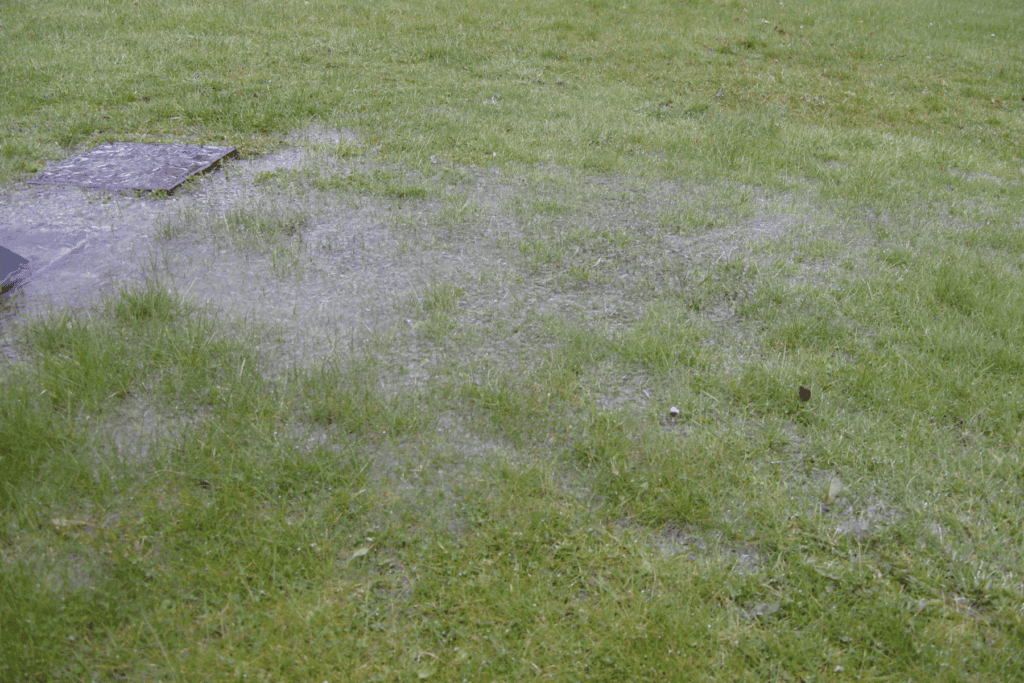
A main water line leak can cause real damage before water ever reaches your home. The main water line is the underground pipe that carries water from the street or meter into your house, and when it leaks, the first signs are usually soggy ground in the yard, low water pressure at several fixtures, a high water bill that doesn’t match your usage, or the sound of running water when everything is off. Catching it early protects your yard, your foundation, and the line itself.
Because service pipes run underground, many homeowners miss early warning signs. Learning how your incoming line runs makes troubleshooting straightforward. If you suspect an issue along your supply pipe, scheduling professional water line repair and installation helps locate the break quickly. Prompt action protects your property in Beltsville, MD, and surrounding communities.
Understanding Your Water Supply and How a Main Water Line Leak Develops
Your home relies on continuous water pressure through an underground service line. Knowing how this pipe operates helps you spot failures early. It also helps you tell whether a problem is likely on your side of the line or the utility’s.
Where the Service Line Runs and Who Owns It
The main water line travels underground from the street or sidewalk into your home. It enters through a basement wall, crawlspace, or concrete slab foundation. A water main leak happens on the larger public pipe in the street, which the water utility maintains. A service line leak occurs in the smaller pipe that branches off the main and runs to your house. Where the utility’s responsibility ends and yours begins varies by utility and location, so if you’re not sure, your water provider can tell you where the boundary is for your address.
Common Causes of an Underground Main Water Line Leak
Buried water pipes face steady stress from soil movement, temperature changes, and internal water pressure. Age is a major factor. Older galvanized steel lines rust from the inside, and copper lines can develop pinhole leaks, especially in certain soil and water conditions.
Ground movement and freezing also play a role. As soil freezes, thaws, and settles, it can bend pipe, pull joints apart, or cause a frozen line to split outright. As they grow, tree roots can widen a small crack or loosen a joint.
High water pressure strains every joint in the system, and accidental damage from digging for fence posts, landscaping, or deck footings is another common cause. Before you dig anywhere on your property, call 811 to have underground utilities marked.
Warning Signs of a Main Water Line Leak
A leaking service line usually leaves signs both outside and inside the house. Some of them can also come from a running toilet or a leaking fixture, so one sign alone isn’t proof. Seeing two or more together is a stronger reason to have the line checked. Watch for:
- A water leak in yard areas along the line’s path, such as spongy ground, standing water in dry weather, or a strip of grass that’s greener than the rest.
- Sunken spots in the lawn or walkway above the line.
- Dampness or white mineral residue on the basement wall where the line enters the house.
- Low water pressure at several fixtures at once.
- A high water bill that doesn’t match your household’s water use.
- You hear running or hissing water near the basement wall when every tap is off.
- Cloudy or discolored water, which can happen when soil gets into a damaged line.
If you notice any of these, the meter test below can help you confirm whether water is moving through the line when it shouldn’t be. Before you run it, rule out the easy causes inside the house. Listen for a toilet that refills on its own, check under sinks for drips, and look at the water heater and outdoor spigots. If everything inside checks out and the signs keep showing up, the service line becomes a more likely suspect.
It’s best not to wait. Water escaping from a leaking line can wash away the soil around the pipe, causing sunken spots, and the leak can grow as the ground shifts. A slow leak also adds to your water bill every month it goes unrepaired, so catching it early saves money and protects your yard.
How Homeowners Can Test for a Main Water Line Leak
You can perform a basic leak test using your existing water meter. The meter records every gallon entering the property, making it an effective diagnostic tool.
Checking the Meter for Unseen Water Movement
To run a meter test, shut off all water fixtures inside and outside your home. Turn off washing machines, dishwashers, and ice makers. Ensure no one flushes a toilet during the test. Locate the meter box near the curb or sidewalk, or the basement shutoff valve. Open the lid and inspect the register dial. Look for a low-flow indicator shaped like a small triangle, star, or gear. If that indicator spins while all water fixtures remain off, water is flowing through the line. You can also record the meter numbers and check them again after 20 minutes with no water use. A rising count means water is leaving the system somewhere. If you’ve ruled out toilets and fixtures, an underground water leak in the main line is a likely cause.
Immediate Steps to Take If Water Surfaces
If water bubbles up into your yard or pools against the foundation, act fast to prevent structural damage. Locate your indoor main shutoff valve. Turn the gate valve handle clockwise, or move the ball valve lever perpendicular to the pipe. This shuts off water to the house. If the valve is stiff, don’t force it, since an old valve can break or start leaking. Then call a plumber. If cold weather causes a line failure, call a technician experienced in frozen-and-burst-pipe repair to safely resolve the break.
How Technicians Confirm Underground Breaks
A plumber’s goal is to find the leak before digging. Depending on the situation, that can include listening equipment that picks up the sound of water escaping under pressure, and pressure tests that isolate sections of the line. A professional plumbing inspection helps pinpoint the problem so crews dig in the right place.
Main Water Line Repair vs. Main Water Line Replacement
Once a technician confirms the location of a main water line leak, you must choose an appropriate repair strategy. The right choice depends on the pipe’s age, material, and the extent of the damage.
Spot Repair vs. Total Line Replacement
A localized repair works well on newer copper or plastic pipes damaged by a single freeze or digging strike. Technicians expose the break, cut out damaged pipe, and install mechanical couplings. Conversely, lines showing widespread corrosion or multiple past leaks warrant complete replacement. Patching old galvanized pipe often just moves the problem to the next weak spot, so replacing the main water line is usually the better choice in that condition. If the pipes inside your home are the same age and material, it may also make sense to talk about repiping at the same time. Sila has repaired and replaced water lines for homeowners since 1989, and we offer same-day service when a leak can’t wait.
Protect Your Property With Sila
A main water line leak won’t fix itself, and the longer it runs, the more damage it can do to your yard and foundation. Sila’s licensed plumbers can confirm whether the main line is leaking, find the problem, and explain whether a spot repair or a full replacement makes more sense. Homeowners in Beltsville, MD, and nearby communities can contact Sila today to schedule plumbing repair or a water line inspection.